About the foundation
A Ugandan nonprofit established in 2022, working where diabetes, disability and poverty meet.
Why RDAF exists
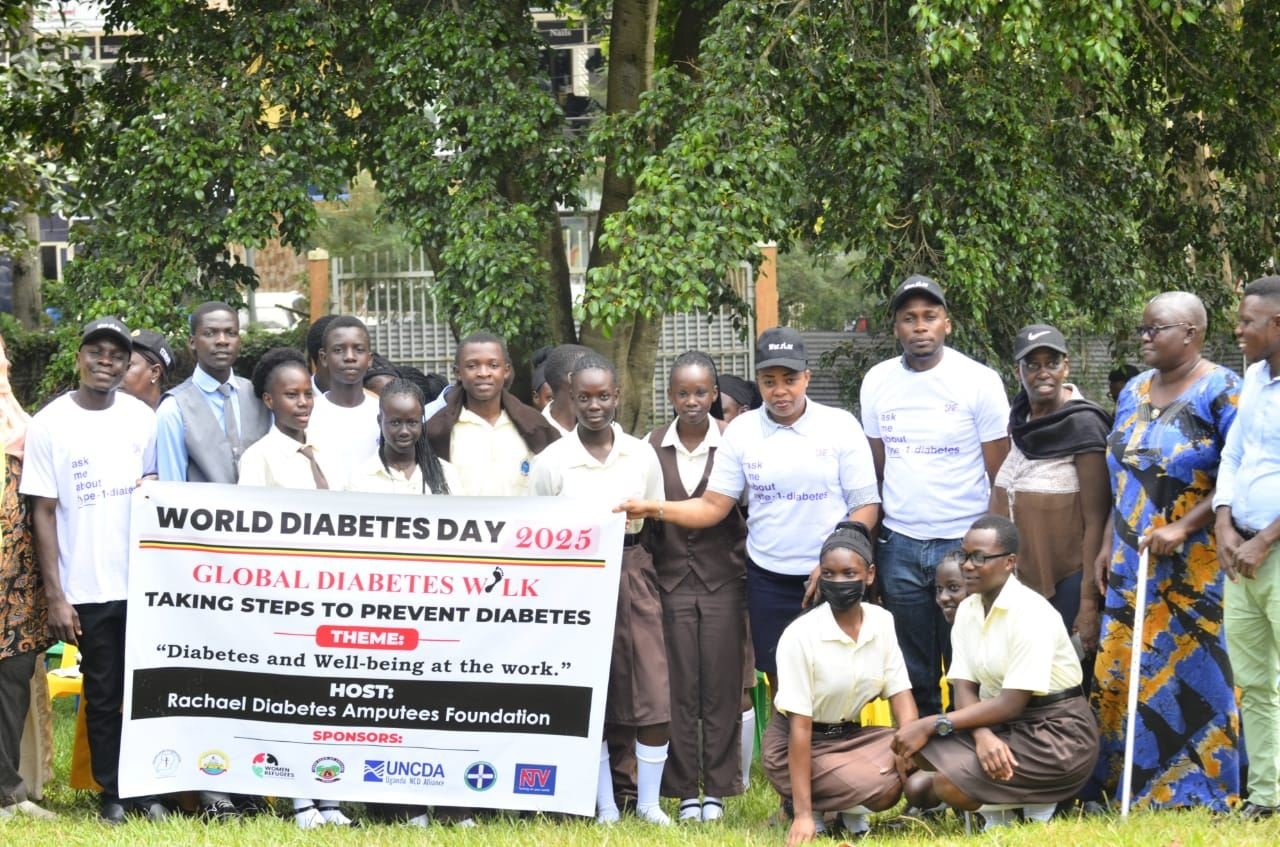
Racheal Diabetes Amputees Foundation is a nonprofit organisation established in 2022 to address the growing burden of non-communicable diseases, particularly diabetes and its devastating complications — including lower-limb amputation.
The foundation was founded in response to the increasing number of individuals and families affected by diabetes-related amputation, and to their limited access to rehabilitation, psychosocial support, assistive devices and livelihood opportunities.
RDAF recognises that amputation is not only a medical condition, but also a social and economic challenge that affects individuals, families and entire communities.
In Uganda, diabetes has become one of the fastest-growing public health concerns. The Ministry of Health and the World Health Organization report that diabetes is a major contributor to blindness, kidney failure, heart attacks, strokes and non-traumatic lower-limb amputation.
Our work contributes to Uganda's national development agenda and to the Sustainable Development Goals.
Vision
A Uganda where diabetes and other NCDs never cost anybody a body part, and where amputees enjoy equal opportunities, hope, mobility and a life of dignity.
Mission
To prevent diabetes- and NCD-related amputation through early intervention and education; to empower survivors with assistive technology; to advocate for equal opportunities; and to provide comprehensive rehabilitation and socio-economic support to amputees and to those vulnerable to or affected by amputation.
What we hold to
- Compassion We serve with empathy, care and respect for human dignity.
- Integrity We uphold transparency, accountability and ethical leadership.
- Collaboration We believe in partnership and collective action for sustainable impact.
- Inclusion We promote equal participation regardless of disability, gender, age or social background.
- Empowerment We support individuals and communities to become self-reliant and resilient.
How we work
RDAF uses a community-driven and rights-based approach that emphasises prevention, inclusion, partnership and sustainability. We work closely with local communities, healthcare providers, government institutions, civil society organisations and development partners.
The foundation promotes
- Community participation
- Health equity
- Disability inclusion
- Preventive health care
- Evidence-based interventions
- Sustainable partnerships
What we are working towards
Through our programmes and interventions, RDAF aims to:
- Reduce diabetes-related complications and amputations
- Improve access to health care information and services
- Enhance the quality of life of amputees and people living with NCDs
- Strengthen mental health and psychosocial wellbeing
- Increase awareness and early detection of diabetes and other NCDs
- Promote inclusive, stigma-free communities
- Improve household resilience and economic empowerment
Built to last beyond a single grant
The foundation promotes sustainability through:
- Community ownership and participation
- Capacity-building initiatives
- Strategic partnerships
- Volunteer engagement
- Resource mobilisation and fundraising
- Income-generating activities
- Continuous organisational development
Aligned to the Sustainable Development Goals
RDAF contributes to Uganda's national development agenda and to the achievement of the Sustainable Development Goals, particularly:
- No poverty Household resilience and economic empowerment for amputees and their families.
- Good health and wellbeing Prevention, early detection, rehabilitation and psychosocial care.
- Decent work and economic growth Vocational skills, entrepreneurship and livelihood initiatives.
- Reduced inequalities Disability inclusion and advocacy against stigma and discrimination.
- Partnerships for the goals Collaboration with government, health services, civil society and donors.
In our own words
RDAF is committed to transforming lives through compassion, advocacy, prevention, rehabilitation and empowerment. By prioritising diabetes and its complications, the foundation strives to create healthier and more inclusive communities where every individual can live with dignity, hope and opportunity.
Work with us
We are looking for partners in government, health services, research, media and the private sector — and for volunteers who can give time and skills.