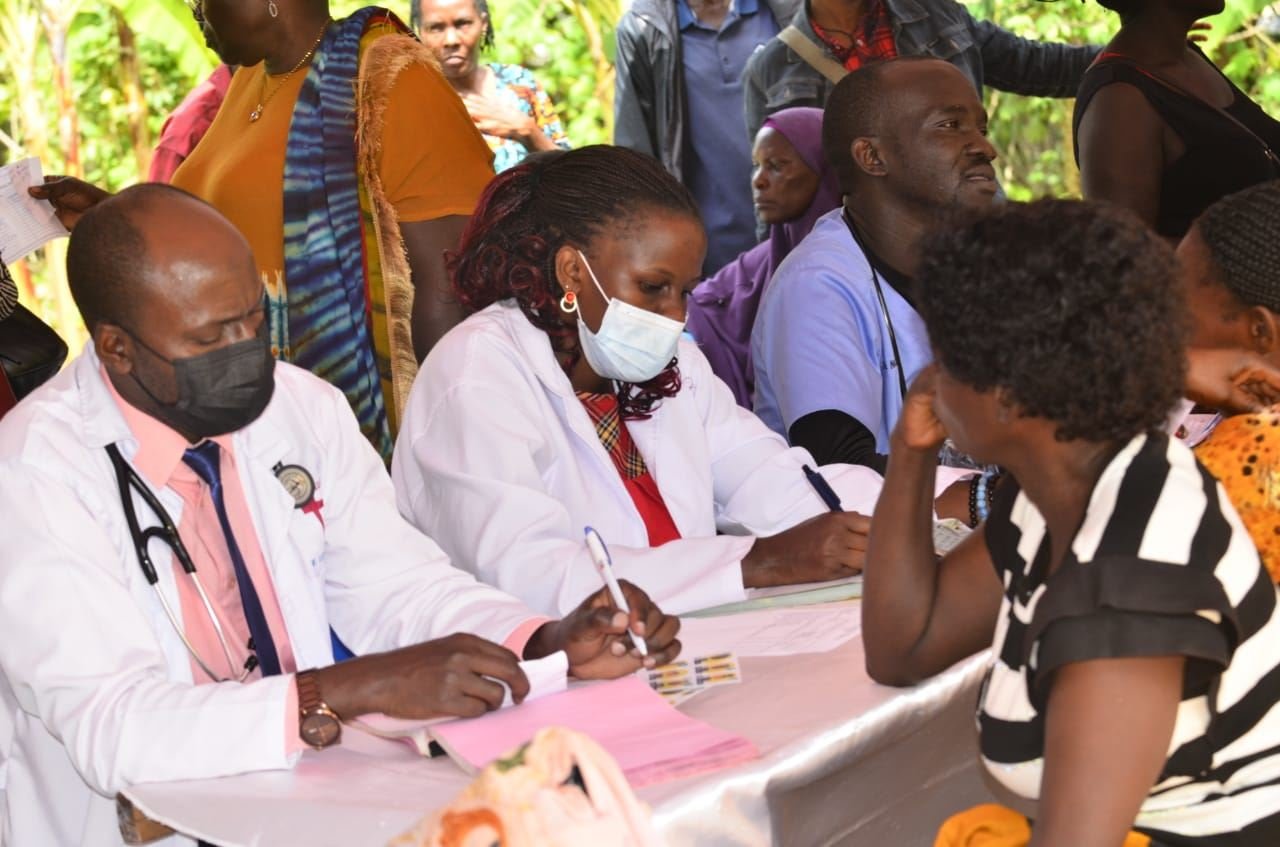
Two clinicians in white coats consult with community members at an RDAF outreach table.

What we do

Five programme areas, each breaking the chain at a different point — from the community screening that finds risk early to the savings group that rebuilds a household's income.

Diabetes awareness and prevention


Breaks the chain at link 01 — before risk becomes disease.

RDAF is committed to reducing the burden of diabetes and other non-communicable diseases through health promotion, prevention, early detection and community education.

The foundation works with communities, health facilities, schools, workplaces and local leaders to increase awareness and encourage healthy lifestyles.
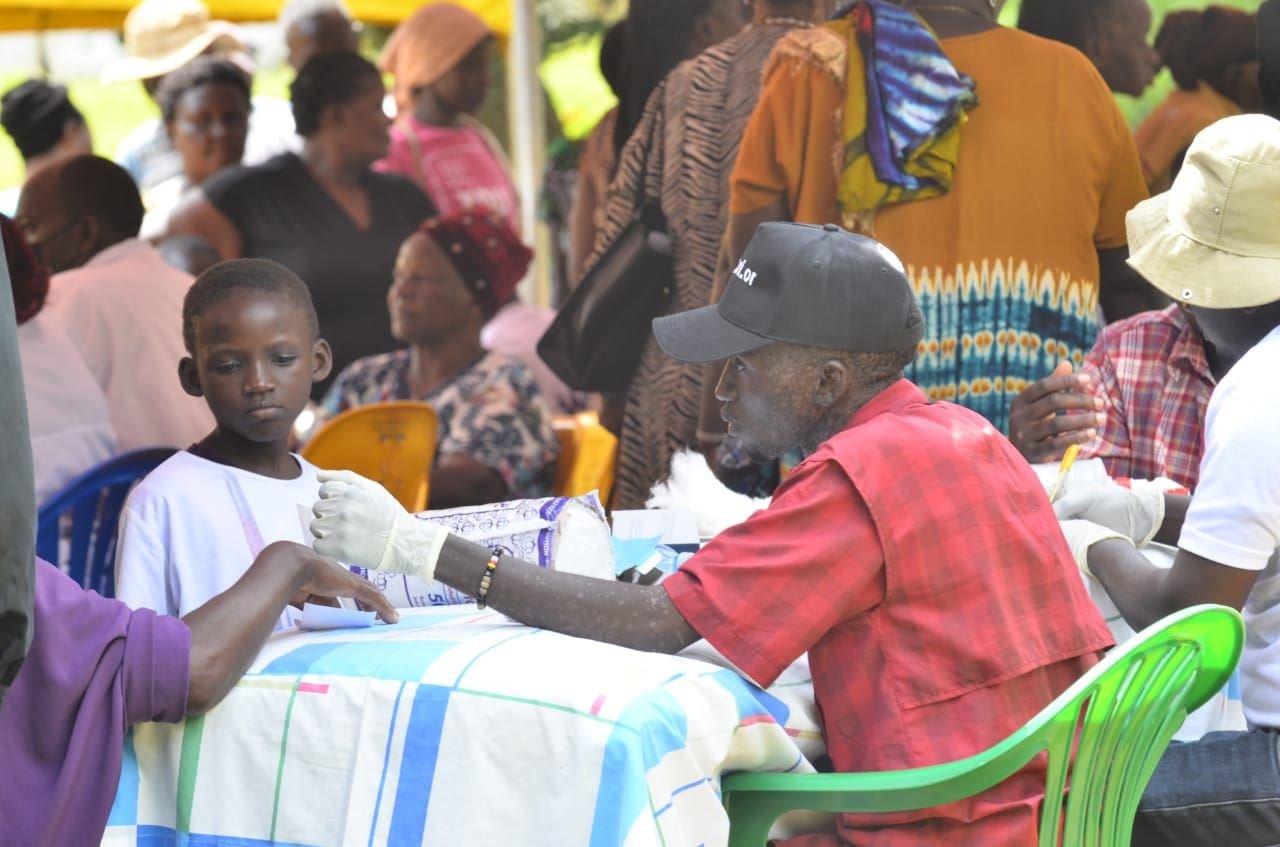
A health worker in gloves performs a finger-prick blood glucose test on a community member's hand at a screening outreach.
Free blood glucose testing at a community screening outreach.

Key activities

  • Conduct community awareness campaigns on diabetes prevention, risk factors, signs and symptoms.
  • Organise free diabetes screening outreaches, including blood glucose testing, blood pressure measurement, body mass index (BMI) assessment and referrals for further medical care.
  • Provide health education on healthy nutrition, physical activity, weight management, smoking cessation, alcohol reduction and stress management.
  • Develop and distribute information, education and communication (IEC) materials such as brochures, posters, fact sheets and digital awareness content.
  • Conduct school and workplace health education programmes to promote healthy lifestyles among children, youth and adults.
  • Observe World Diabetes Day and other health awareness events through community campaigns, media engagement and public dialogues.
  • Train community health workers (Village Health Teams) and peer educators to promote diabetes prevention and community follow-up.
Rehabilitation support


Picks up at link 05 — where the chain has already ended.

RDAF promotes comprehensive rehabilitation services that restore dignity, mobility, hope, independence and quality of life for amputees and other persons living with disabilities.

The foundation supports beneficiaries through referrals, rehabilitation services, psychosocial care and assistive technologies, while advocating for equitable access to rehabilitation services.

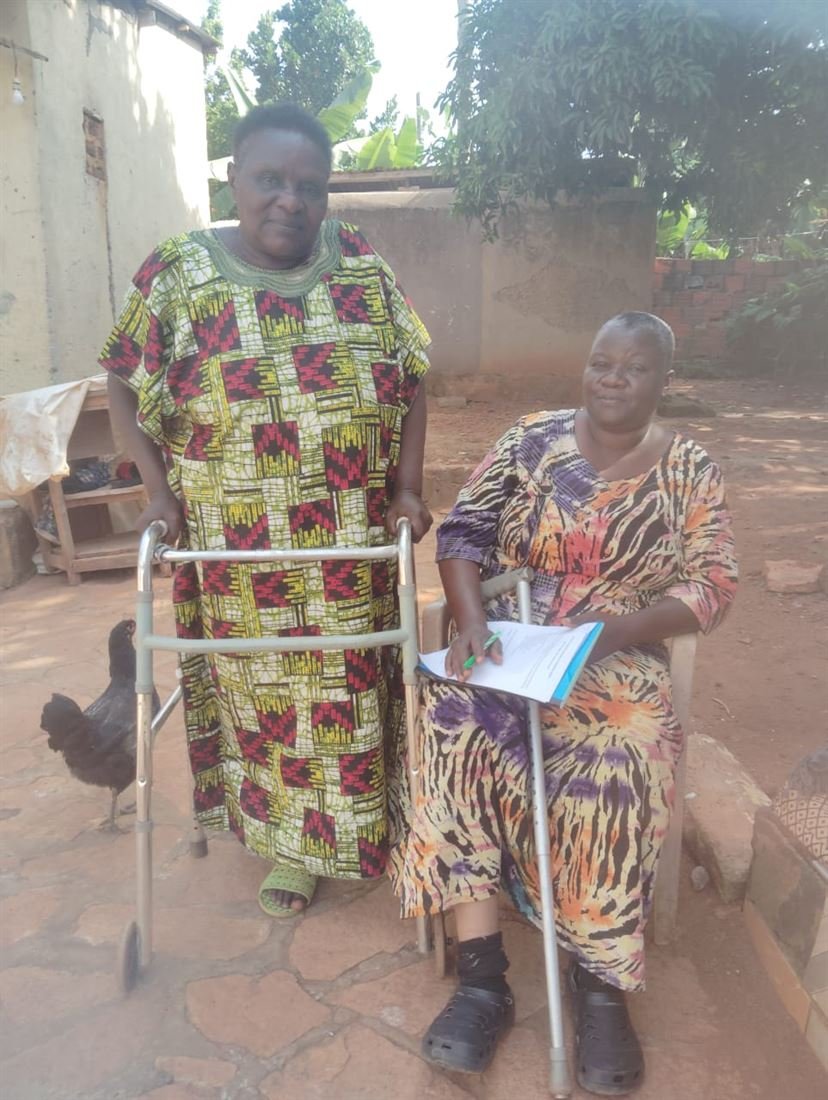
A woman stands supported by a walking frame outside her home while an RDAF team member sits with her.
Mobility support delivered during a home follow-up visit.

Key activities

  • Identify and register amputees and persons requiring rehabilitation support within communities.
  • Facilitate access to prosthetic and orthotic services through partnerships with rehabilitation centres and hospitals.
  • Support physiotherapy and occupational therapy referrals to improve mobility and functional independence.
  • Provide mobility assistive devices such as crutches, wheelchairs, walking frames and other rehabilitation aids where resources permit.
  • Conduct home-based rehabilitation follow-up visits to monitor recovery and provide continued support.
  • Offer psychosocial counselling to amputees and their families to address trauma, depression, stigma and social isolation.
  • Establish amputee peer support groups to encourage mentorship, confidence building and social inclusion.
  • Conduct community sensitisation to reduce stigma and discrimination against persons with disabilities.
  • Advocate for disability-inclusive health care, education, employment and public services.

Community empowerment


Works after links 04 and 05 — on the income and standing that limb loss takes with it.

RDAF believes sustainable health outcomes require empowered individuals and resilient communities.

The foundation strengthens community capacities through economic empowerment, skills development, leadership and social inclusion initiatives.

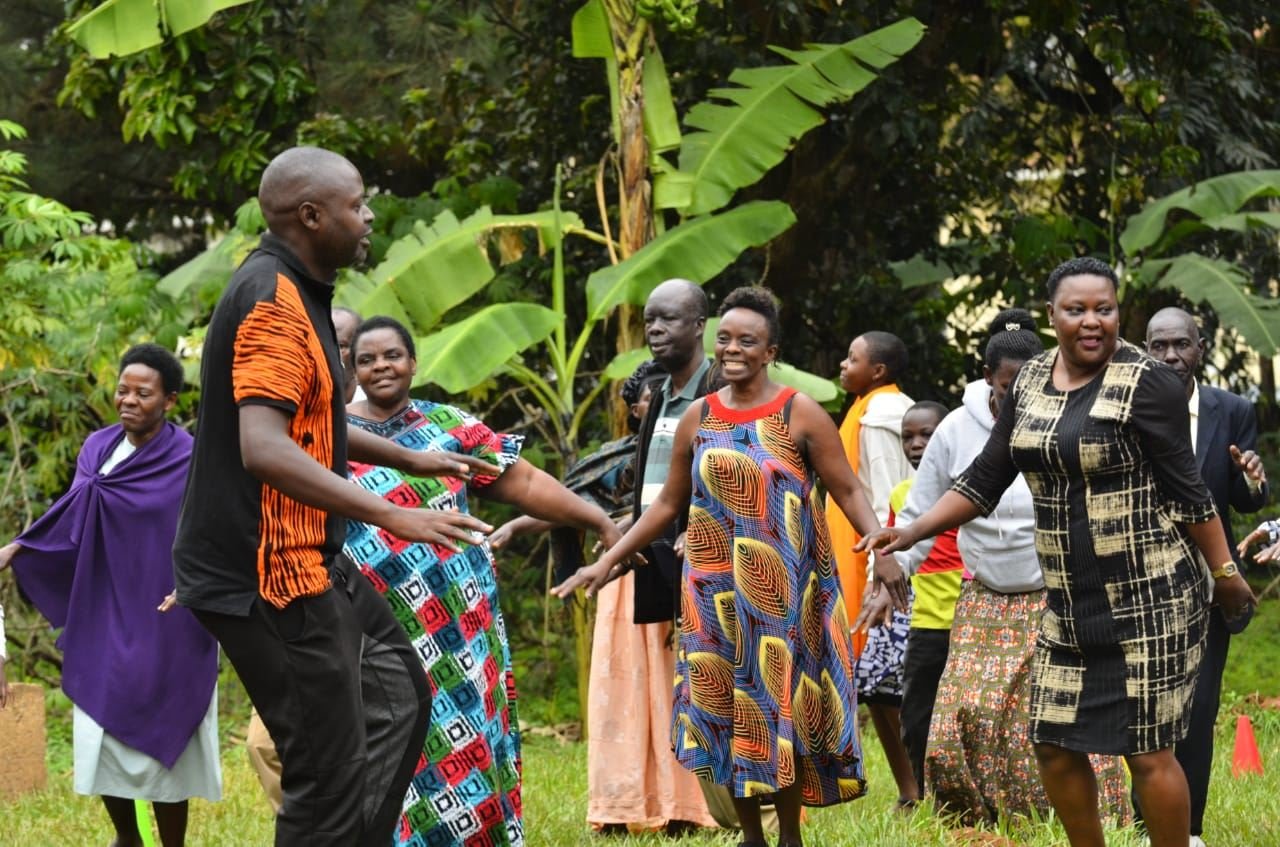
Community members join hands in a wide circle during a group activity outdoors.
A community session bringing participants together.

Key activities

  • Provide vocational skills training for amputees, youth, women and persons living with chronic illness.
  • Support entrepreneurship development through business skills training and mentorship.
  • Promote Village Savings and Loan Associations (VSLAs) and community savings groups to improve household financial resilience.
  • Facilitate financial literacy training, including budgeting, savings and responsible borrowing.
  • Support livelihood initiatives such as agriculture, tailoring, crafts, poultry and other income-generating activities.
  • Promote gender equality, disability inclusion and the protection of vulnerable groups.
  • Organise community dialogues to address social barriers affecting persons living with disabilities and NCDs.
  • Encourage volunteerism and community participation in health promotion activities.

Research, documentation and advocacy


Works on the whole chain — through evidence, policy and public argument.

RDAF recognises that evidence-based programming and advocacy are essential for influencing policies, improving services and promoting the rights of amputees and persons living with non-communicable diseases.

The foundation conducts research, documents community experiences and advocates for improved policies, services and resource allocation.

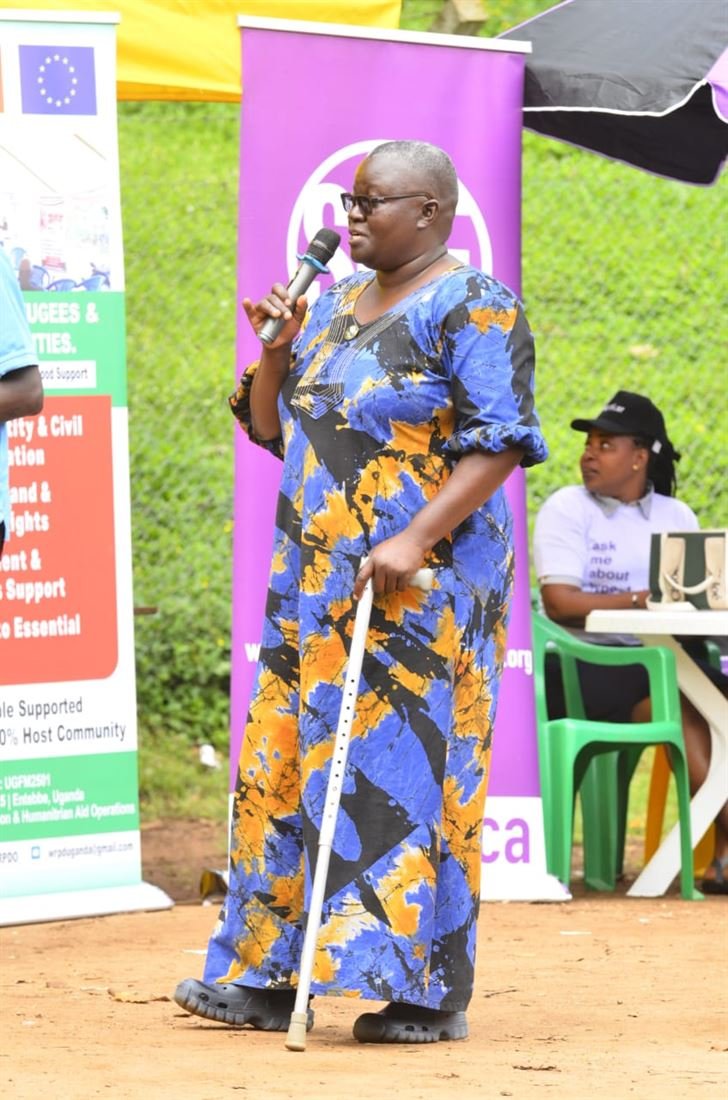
A woman speaks into a microphone at a public health event, supported by a walking cane, with partner banners behind her.
Speaking at a public health event.

Key activities

  • Conduct community-based research on diabetes, amputations, disability and other non-communicable diseases.
  • Collect, analyse and manage programme data to inform planning and decision making.
  • Document success stories, beneficiary experiences, lessons learned and best practices.
  • Produce policy briefs, research reports, newsletters, documentaries and advocacy materials.
  • Carry out media advocacy through radio, television, newspapers, social media and community dialogues.
  • Engage government ministries, local governments, parliament and development partners to influence policies and improve disability-inclusive healthcare.
  • Participate in national and international health and disability forums, conferences and policy dialogues.
  • Advocate for increased investment in diabetes prevention, rehabilitation services, prosthetic care and disability rights.

Organisational development and partnership strengthening


Holds the rest up — the governance, funding and partnerships everything else rests on.

RDAF is committed to building a strong, accountable and sustainable organisation capable of delivering high-quality services and creating lasting impact.

The foundation invests in institutional strengthening, governance, human resource development, financial sustainability and strategic partnership.

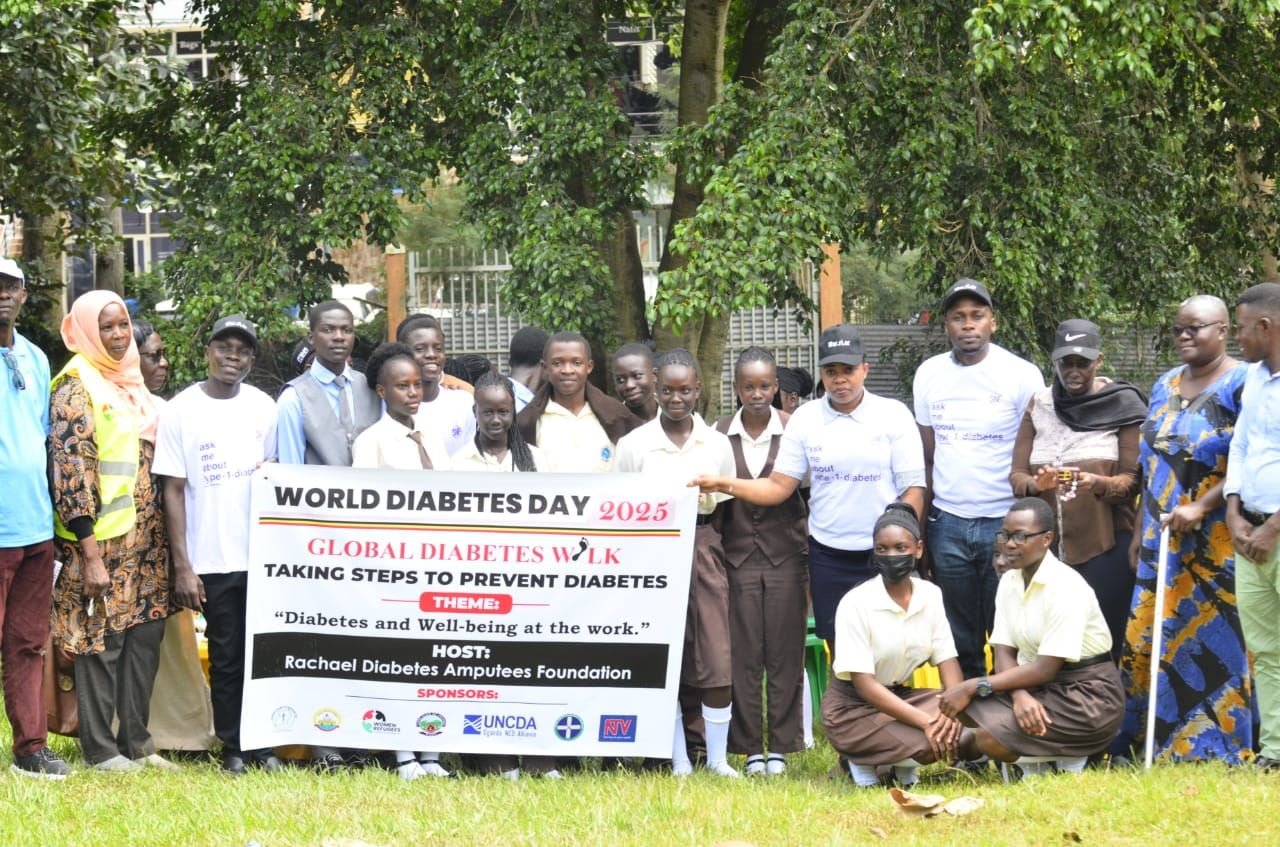
Participants and partners stand together behind an RDAF World Diabetes Day banner listing sponsoring organisations.
An RDAF-hosted event delivered with partner organisations.

Key activities

  • Strengthen organisational governance through an active Board of Directors and effective management systems.
  • Develop and implement strategic plans, annual workplans and organisational policies.
  • Build staff and volunteer capacity through training, mentorship and professional development.
  • Strengthen financial management, accountability and learning systems to improve programme quality and impact measurement.
  • Mobilise resources through proposal development, fundraising initiatives, grant applications and donor engagement.
  • Establish strategic partnerships with government agencies, hospitals, universities, civil society organisations, private sector institutions and international development partners.
  • Strengthen communication, visibility, branding and public engagement through digital platforms and community outreach.
  • Promote organisational sustainability through diversified funding sources and institutional capacity development.

Who these programmes are for


Amputees, people at risk of amputation, their families, people living with diabetes, caregivers, and youth and women.

See who we serve

Fund a programme


Screening outreaches, mobility devices, counselling sessions and skills training all depend on what supporters and partners contribute.

How to give

Chat on WhatsApp